Choosing the Right Buggy Rental in Dubai for Your Desert Plans
Picking a buggy for a desert outing is less about chasing the biggest engine and more about matching the vehicle, terms, and route to your plans. Dubai terrain can shift from firm sand to soft dunes, and the right choice makes the day smoother for everyone in the group. Start with the practical details, then work through the paperwork before you commit.
Set the purpose of the outing first
Begin by deciding what the buggy needs to do. A short ride near a pickup point calls for a different choice than a longer route across open desert. Think about who will ride, how much gear will be carried, and whether the day is mainly for sightseeing, photography, or a more active drive. This first step keeps the search focused and prevents overspending on features that will not be used.
Group size matters early. A two-seat buggy may suit a couple, while a family may need more space and a steadier ride. Children and less confident passengers often prefer a vehicle with predictable handling rather than one built only for speed. If the group includes several vehicles, consider whether everyone can keep a similar pace, since mixed performance can make the route feel disjointed.
Also think about timing. Midday heat changes how people feel in an open vehicle, while late afternoon light can make the drive more enjoyable but also busier. The best match depends on comfort, route length, and the level of experience in the group. When comparing options for buggy rental dubai, treat the route and passenger needs as the baseline, not an afterthought.
Choose the vehicle class, not just the look
Buggies can look similar at first glance, but their power, size, suspension, and controls vary. A smaller model can feel manageable for a first desert ride, while a stronger one may suit drivers who are comfortable with uneven ground. The goal is not to pick the most aggressive option, but the one that fits the driver and the terrain.
Ask clear questions about the vehicle class before booking. A useful comparison usually covers:

- Seating capacity and space for passengers.
- Engine size and how the power is delivered.
- Suspension quality and ground clearance.
- Braking feel and steering response.
- Storage space for small bags, water, and cameras.
Equipment condition deserves attention here. Look for signs of heavy wear, such as cracked panels, loose fittings, worn tires, or uneven trim. These details do not always mean the buggy is unsafe, but they signal that a closer check is needed. A well presented vehicle usually reflects better upkeep, and that can affect the tone of the whole outing.
Do not rely on appearance alone. A clean buggy with poor steering is a worse choice than a used-looking one that has been maintained properly. Ask what checks are carried out between bookings and what happens if a mechanical issue appears during the ride. Clear answers at this stage are a good sign of a well run operation.
Check what is included before comparing prices
Price comparisons only make sense when the inclusions are the same. One quote may cover only the buggy, while another may include safety gear, a route plan, or support during the drive. Read each offer carefully and compare like with like. A lower hourly rate can look attractive, but it may come with limits or add-ons that change the final cost.
Pay attention to the rental agreement before paying. It should state the rental period, the pickup location, the return point, the number of drivers, and any route restrictions. It should also explain what counts as damage, how delays are handled, and what the driver is responsible for. If a term is unclear, ask for it to be written plainly rather than relying on a verbal answer.
The security deposit is another point to review. It is normal for a deposit to be held against damage or unpaid extras, but the terms should say when it is released and what may be deducted. Keep records of the agreement and any messages about the deposit. That simple habit helps avoid confusion after the ride.
Fuel policy also belongs in this stage. Some arrangements expect the buggy to be returned with the same fuel level, while others include fuel in the package. Ask how refueling works, where it can be done, and what happens if the vehicle runs low on a route. A clear fuel policy prevents awkward decisions in the desert.
Match the route to skill and comfort
Once the vehicle and terms are clear, turn to the route. The desert offers a wide range of driving conditions, and not every buggy or driver is suited to every path. A route with steep dunes, narrow tracks, or loose sand demands more skill than a gentle loop on firmer ground. Be honest about driving experience, especially if passengers have limited comfort with rough terrain.
A good plan includes clear start and finish points, a realistic pace, and a method for staying together if several buggies are involved. Ask whether the route is marked, guided, or left to the driver. Guided options can reduce uncertainty for newcomers, while experienced drivers may prefer more freedom. The right choice depends on confidence, group size, and how much structure the day needs.
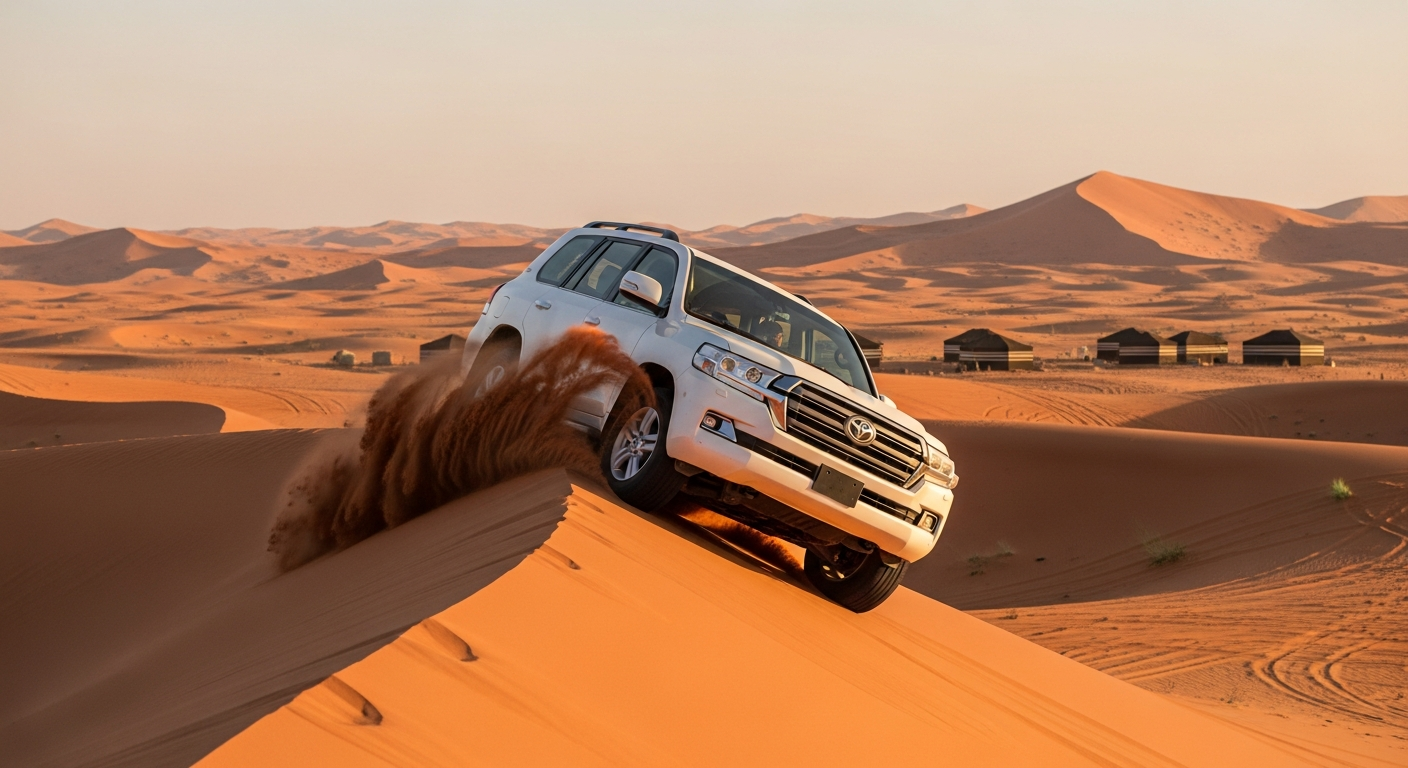
When reviewing a provider such as alqudratours.com, keep the focus on what the written terms actually say about route, timing, and vehicle use. Names and branding can be useful for finding information, but the decision should rest on the practical details that affect safety and comfort. If the route cannot be explained clearly before the booking, treat that as a reason to pause.
Weather can change the feel of the same route. Heat, wind, and sand conditions affect visibility and traction. A sensible plan leaves room for a slower pace and avoids pushing the vehicle beyond its limits. If conditions look poor, shortening the route is usually better than trying to prove the buggy can handle it.
Read the cover and driver rules carefully
Insurance cover is one of the most important parts of the decision. Do not assume that every buggy booking includes the same protection. Check what is covered, what is excluded, and whether excess or responsibility applies. Damage from driver error, off-route driving, or unauthorized use may be treated differently, so the wording matters.
Driver rules should be just as clear. Ask about minimum age, license requirements, and whether more than one person can drive. If a group plans to swap drivers, confirm that this is allowed in the agreement. A rule that seems minor at booking can become a serious problem at the pickup point if it was missed.
Safety equipment should be checked before leaving. Helmets, gloves, and eye protection help reduce the risk of injury from sand, branches, and rough movement. Check that items fit properly and are in usable condition. A helmet that slips or a strap that will not tighten is not useful, even if it is technically provided.
It is also worth asking how support works if the buggy stops or a driver gets into difficulty. A practical plan should explain who to contact, what information to share, and how the group waits safely. Do not attempt repairs to mechanical or electrical systems in the field. A strange noise, loss of power, or steering problem should end the ride early and be reported, not tested further.
Inspect the buggy before you leave
The final step is a calm inspection at pickup. This does not need tools or technical training. Walk around the buggy, check the tires for obvious damage, look for leaks, and make sure seats and controls feel secure. Confirm that lights, if fitted, work as expected and that mirrors are adjusted. Take a few moments to understand where the hand controls are and how the buggy behaves when starting and stopping in a safe area.
Record any existing scratches or damage before departure, especially if a deposit is involved. Photos can be useful, provided they are taken in a safe spot and do not distract from the pickup process. Make sure the agreement matches the buggy you are actually taking, including any extras that were discussed.
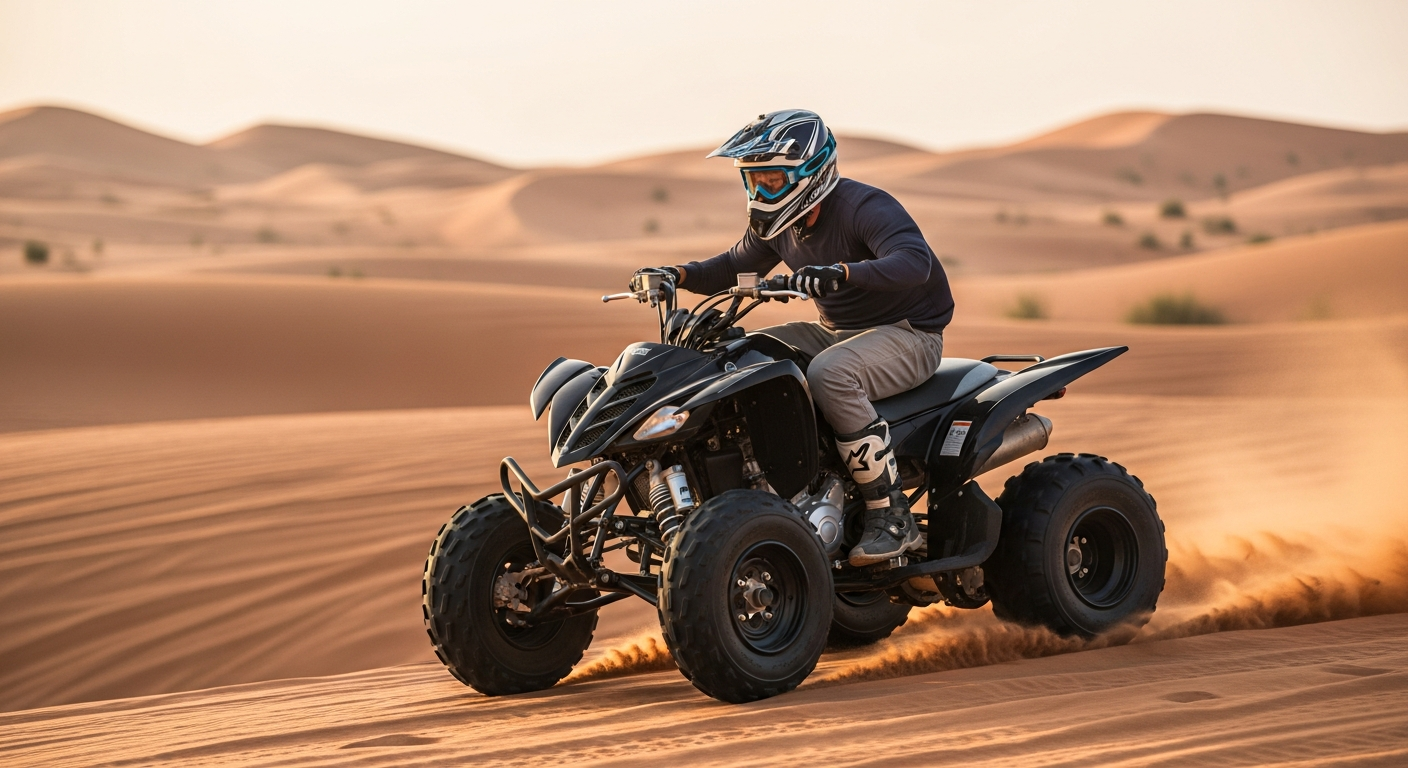
Use the same visit to check comfort. Sit in the seat, reach the controls, and ask questions about anything that feels awkward. If the driving position does not suit the person who will handle most of the driving, say so before leaving. A poor fit can make a long ride tiring and can affect control.
Before moving off, agree on hand signals, stopping points, and what the group should do if separated. Keep the pace steady and avoid sudden turns on soft sand. Respect marked boundaries and local rules, since the desert is not a free-for-all. Careful driving protects the buggy, the passengers, and the landscape.
Choosing well comes down to a simple sequence: define the outing, pick a suitable vehicle, compare the full terms, match the route to ability, check cover, and inspect the buggy at pickup. Each step narrows the options and makes the next decision easier. With the details settled in advance, the day is more likely to feel relaxed from the moment the ride begins.